
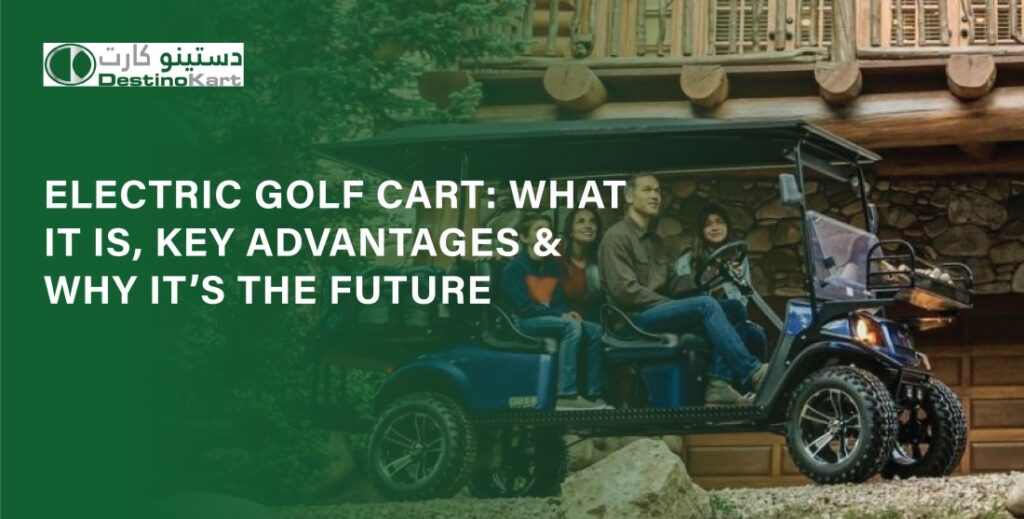
An electric golf cart is a compact battery-powered vehicle designed for short-distance transport on golf courses, resorts, residential communities, factories, and commercial facilities. Instead of using petrol or diesel, it runs on rechargeable batteries that power an electric motor, making it quiet, clean, and highly efficient.
What an electric golf cart is
An electric golf cart uses a bank of batteries to supply power to an electric motor, which drives the wheels through a simple drivetrain. Core components include the battery pack (lead-acid or lithium), controller, motor, charger, and basic safety systems like brakes and lights. These carts typically seat 2 Seater Golf Cart –8 Seater passengers Golf Cart and can be configured for people transport, cargo, or utility use in gated communities, hotels, warehouses, and campuses.
Key advantages
• Lower running cost: Electricity is significantly cheaper than petrol, and electric motors waste less energy as heat, so cost per kilometre is much lower.
• Low maintenance: With fewer moving parts and no oil, filters, or spark plugs, routine service is mainly about batteries, brakes, and tyres, reducing downtime and workshop bills.
• Quiet and comfortable: Electric carts operate almost silently, improving comfort on golf courses, in resorts, and within residential communities where noise restrictions matter.
• Eco-friendly operation: They produce zero tailpipe emissions at the point of use, helping improve local air quality and supporting sustainability goals for clubs, hotels, and developers.
• Better driving feel: Instant torque from the electric motor gives smooth, responsive acceleration, with modern models offering variable speed control for precise low-speed maneuvering.
Modern features that change the game
New-generation electric golf carts come with advanced batteries, electronics, and comfort upgrades that make them feel closer to small EVs than simple course buggies. Popular features now include lithium battery packs for longer range and faster charging, LED lighting, digital dashboards, USB ports, Bluetooth audio, improved suspension, and enhanced safety systems like better brakes and stability control.
Why electric is the future
Several global trends are pushing fleets and individuals toward electric golf carts and neighborhood EVs. Rising fuel prices, stricter emission norms, and growing awareness of sustainability are encouraging clubs, resorts, property developers, and communities to phase out petrol carts in favour of cleaner electric fleets. At the same time, rapid improvements in battery technology and onboard electronics are extending range, cutting charge times, and making ownership more convenient, which further accelerates adoption.
Where they fit beyond golf
Electric golf carts are increasingly used as multi-purpose light electric vehicles rather than just sports equipment. Common applications include internal transport in gated communities, staff and guest movement in resorts and hotels, security patrols, campus shuttles, and light-duty logistics in warehouses or industrial parks. This versatility, combined with low running cost and quiet, emission-free operation, is a key reason they are seen as an important part of the future of short-distance urban and commercial mobility.